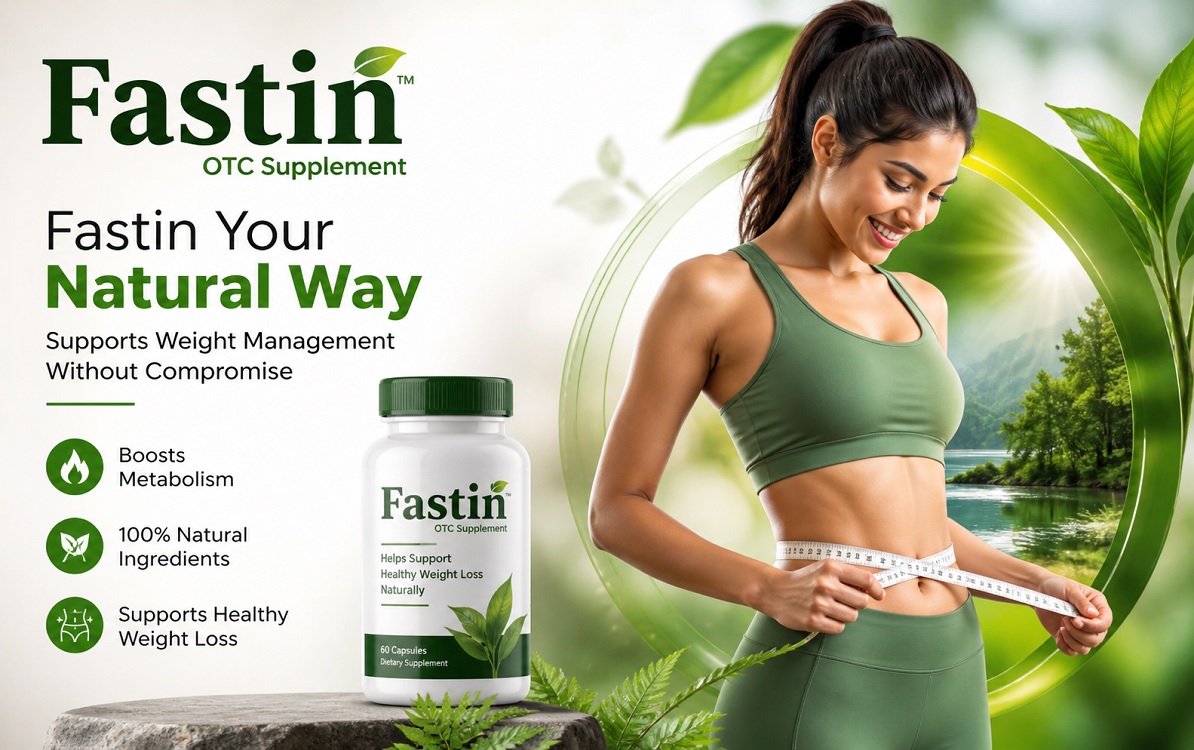
The name “Fastin” has caused confusion for years because it has been used to describe two completely different products. Some people remember Fastin as a prescription medication associated with phentermine, while others recognize it as an over-the-counter weight-loss supplement sold today.
Although both products share the same name, they are not the same formula, are not regulated in the same way, and do not work through identical mechanisms.
Understanding the distinction between the modern Fastin OTC supplement and the original Fastin prescription drug is important for anyone researching weight-loss options or trying to understand what the current product actually is.
What Was the Original Fastin?
The original Fastin was a prescription-only medication tied to phentermine, a stimulant used for short-term weight management.
Phentermine has been prescribed for decades as an appetite suppressant intended for individuals struggling with obesity or significant weight-related health concerns. It works primarily by influencing neurotransmitters in the brain, particularly those related to hunger regulation.
By stimulating the central nervous system, phentermine can help reduce appetite and create a temporary increase in energy.
The original Fastin prescription medication was designed for medical use under physician supervision. It was generally intended for short-term treatment and often paired with diet modifications, exercise, and ongoing medical monitoring.
Over time, the Fastin prescription brand was discontinued, although phentermine itself continues to exist as a generic prescription medication.
This historical connection is one reason many people still ask whether Fastin requires a prescription today.
The Modern Fastin OTC Supplement
The Fastin product currently available is an over-the-counter dietary supplement manufactured by Hi Tech Pharmaceuticals.
Unlike the original prescription medication, the modern version is not a pharmaceutical drug and does not contain phentermine.
Instead, it uses a blend of stimulant-based ingredients designed to support energy, metabolism, and appetite control.
Today’s Hi Tech Pharmaceuticals Fastin supplement is marketed as a thermogenic weight-management product rather than a prescription appetite suppressant.
Because it is sold as a dietary supplement, it is available without a prescription and can be purchased directly through retailers and online sellers.
The goal of the OTC version is to provide support for individuals following a calorie-controlled diet or exercise program.
Key Difference #1: Prescription Drug vs Dietary Supplement
The most important distinction between the two versions is classification.
The original Fastin was a prescription medication.
The modern Fastin is an over-the-counter supplement.
Prescription medications are regulated differently than dietary supplements. Drugs must go through extensive approval processes to demonstrate safety and efficacy before they can be prescribed.
Dietary supplements operate under a different regulatory framework. Manufacturers are responsible for product safety, but supplements do not go through the same pre-market approval process required for pharmaceutical drugs.
This difference changes how the products are marketed, sold, and used.
Key Difference #2: Active Ingredients
Another major distinction lies in the ingredients themselves.
The original Fastin contained phentermine, a controlled stimulant prescribed specifically for appetite suppression.
The modern OTC supplement uses a combination of non-prescription ingredients designed to support metabolism, energy, and focus.
Common ingredients found in stimulant-based weight-loss supplements may include:
- Caffeine anhydrous
- Synephrine HCl
- Phenylethylamine (PEA)
- Theobromine
- Yohimbine HCl
These compounds are used to create a thermogenic effect and provide energy support.
Unlike phentermine, these ingredients are not classified as prescription-controlled substances.
Key Difference #3: Intended Use
The original prescription Fastin was typically prescribed for individuals with obesity or medically supervised weight-loss plans.
Doctors often recommended it for short-term use alongside strict dietary programs.
The modern OTC supplement is marketed toward individuals looking for additional support with weight-loss routines, energy, and appetite control.
Rather than requiring a physician’s supervision, the OTC product is often used independently as part of a broader health or fitness routine.
This difference affects who typically uses each product.
The prescription version was primarily intended for medical intervention.
The OTC version is positioned as a lifestyle supplement that supports consistency with diet and exercise.
Key Difference #4: Availability
Availability is another major difference.
The original Fastin required a doctor’s prescription and could only be obtained through approved pharmacies.
Today’s OTC Fastin is widely available through online stores and retail locations.
This accessibility is one reason the modern product appeals to people who want support without the process of obtaining a prescription.
However, accessibility also means buyers should pay attention to where they purchase products to ensure authenticity and quality.
Key Difference #5: Energy and Stimulant Experience
Both versions are associated with stimulant effects, but users often describe them differently.
Phentermine-based medications are known for appetite suppression and central nervous system stimulation.
The OTC supplement often emphasizes a combination of:
- Energy enhancement
- Thermogenic support
- Focus improvement
- Appetite control
Because the formulations are different, the overall experience can vary significantly.
Some users describe the OTC supplement as more aligned with workout support or daily energy, while prescription phentermine is generally viewed as a more medically targeted appetite suppressant.
Why the Name Still Creates Confusion
The biggest reason confusion persists is branding.
People who remember the older prescription product often assume the current version is identical.
However, the name remained while the formulation and regulatory category changed.
This means that modern Fastin is not simply a continuation of the original prescription drug.
Instead, it represents a completely different approach to weight-management support.
Understanding this distinction helps prevent unrealistic expectations and allows users to better understand what they are purchasing.
Which Option Is Better?
The answer depends on individual goals, health status, and expectations.
Prescription phentermine may still be appropriate for certain individuals under medical supervision.
The OTC supplement may appeal to people looking for non-prescription support that fits into a structured lifestyle routine.
Neither option should be viewed as a standalone solution.
Weight loss remains dependent on:
- Consistent calorie control
- Exercise
- Sleep quality
- Hydration
- Long-term habit formation
Supplements and medications may provide support, but sustainable results come from maintaining routines over time.
Final Summary
Although they share the same name, the original Fastin prescription drug and the modern Fastin OTC supplement are very different products.
The older version was a phentermine-based prescription medication intended for medical use.
The current OTC supplement is a stimulant-based weight-management product manufactured by Hi Tech Pharmaceuticals.
Understanding these differences helps clear up confusion and allows individuals to make more informed decisions when researching weight-loss options.
When evaluating any supplement or medication, it’s important to understand what it contains, how it works, and how it fits into a realistic long-term plan.