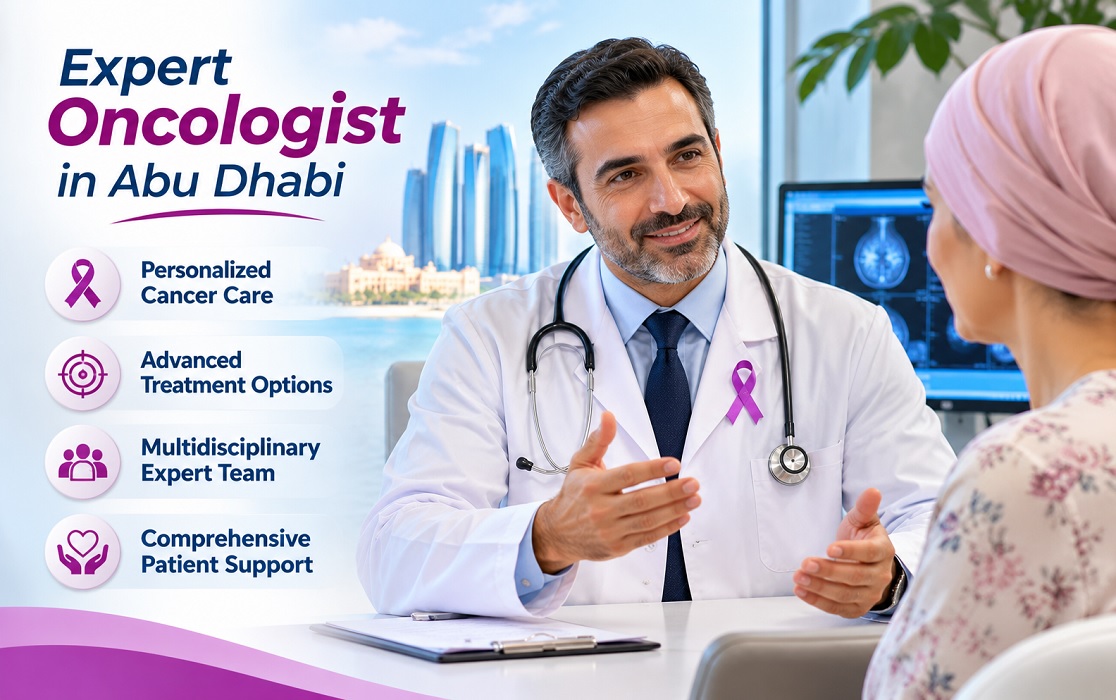
Understanding Cancer Care in the Capital
A cancer diagnosis changes daily life quickly, and families often need clear direction. Choosing an oncologist abu dhabi residents trust is one of the first and most important steps. The right specialist explains your diagnosis in plain language and outlines realistic options. Good early guidance reduces fear and helps you make confident decisions.
Cancer care in the capital has grown into a well-organized system. Patients can now reach advanced diagnostics, expert physicians, and supportive services within one city. This means fewer delays between testing and treatment. It also means families can stay close to home while receiving care that meets international expectations.
What Medical Oncology Actually Involves
Medical oncology is the branch of medicine that treats cancer with drug-based therapies. These include chemotherapy, immunotherapy, targeted therapy, and hormone therapy. A medical oncologist reviews your scans, pathology reports, and overall health. From these, the oncologist designs a treatment plan that fits your specific tumor type and stage.
These specialists also manage side effects and monitor your response over time. They adjust medicines when your body reacts differently than expected. Many patients stay under the same physician for months or years. That long relationship builds trust, and it helps catch changes in your condition early.
Why the UAE Is Advancing Oncology
The United Arab Emirates has invested heavily in healthcare infrastructure over the past two decades. National screening campaigns encourage earlier detection of breast, colorectal, and cervical cancers. Hospitals have also recruited internationally trained physicians. As a result, residents no longer need to travel abroad for many complex treatments.
A strong medical oncology center in UAE usually combines several strengths. These include modern imaging, molecular testing, and dedicated infusion suites. They also include nurses trained specifically in cancer care. Together, these elements shorten the path from diagnosis to treatment and improve the patient’s comfort throughout.
Cancers Treated by Specialist Teams
Leading programs treat a wide range of cancers. Common examples include breast, lung, prostate, colorectal, gynecologic, skin, and head and neck cancers. Rarer conditions also receive attention, such as sarcomas, thyroid tumors, pituitary tumors, and eye cancers. Dedicated programs let physicians focus deeply on each disease.
Subspecialization matters because every cancer behaves differently. A lung tumor responds to different drugs than a pancreatic tumor does. Teams that treat one cancer type every day recognize patterns faster. They also stay current on new trials, which can open additional options for patients.
Choosing the Right Specialist for You
Many families ask how to find an oncologist abu dhabi hospitals recommend for their situation. Start by checking credentials, subspecialty training, and years of experience with your cancer type. Ask whether the doctor reviews cases with a tumor board. Also confirm that your insurance plan covers the consultation and treatment.
Communication style deserves equal weight. You want a physician who listens, answers questions patiently, and explains risks honestly. Bring a family member to the first visit and write your questions down beforehand. A second opinion is also reasonable, and respected specialists generally welcome it.
The Power of Multidisciplinary Teams
Modern cancer treatment rarely depends on one doctor. Medical oncologists work alongside surgeons, radiation oncologists, pathologists, and radiologists. Each expert reviews the same case and contributes a different perspective. This shared review reduces errors and often reveals options a single doctor might miss.
Patients benefit through smoother coordination. Appointments, scans, and procedures are scheduled with the whole plan in mind. Nurse navigators, dietitians, and counselors join the team as needed. You spend less time managing logistics and more time focusing on recovery.
Personalized Treatment and Modern Therapies
Treatment today is increasingly tailored to the tumor’s biology. Genetic and molecular testing can reveal mutations that specific drugs target directly. Immunotherapy helps the immune system recognize and attack cancer cells. These approaches can work more precisely than traditional chemotherapy, though results vary by cancer type.
Your plan may combine several methods in sequence. For example, a patient might receive drug therapy before surgery to shrink a tumor. Hormone therapy might follow for certain breast or prostate cancers. Your care team revisits the plan regularly and updates it based on scans and lab results.
Choosing a Hospital for Cancer Treatment
An oncology hospital abu dhabi families consider should offer more than clinical skill. Look for on-site laboratories, imaging, pharmacy, and infusion services under one roof. Ask about emergency support during treatment, since side effects can appear suddenly. Accessible parking, clear signage, and calm waiting areas also reduce stress for patients.
Reputation and transparency count as well. A reliable cancer hospital abu dhabi residents can depend on shares its outcomes, accreditations, and patient experience measures. Staff should explain costs before treatment begins. Visiting in person, or taking a virtual tour, helps you judge whether the environment feels right.
Supportive Care beyond Medication
Cancer affects the whole person, not only the tumor. Supportive care addresses pain, fatigue, nausea, nutrition, sleep, and emotional strain. Palliative specialists can help from the first day of treatment, not only at the end of life. Early support often improves comfort and helps patients complete their planned therapy.
Mental health matters just as much as physical health. Counseling, support groups, and spiritual care help patients and relatives cope with uncertainty. Many families find that a trusted oncologist abu dhabi teams employ can refer them to these services quickly. Simple habits also help, such as gentle exercise, balanced meals, and steady rest.
Taking the First Step toward Care
If you notice persistent symptoms, do not wait for them to disappear. Unexplained weight loss, lumps, ongoing pain, unusual bleeding, or a lasting cough all deserve medical review. Start with a primary care doctor, who can arrange tests and refer you onward. Early evaluation gives you more treatment choices.
Preparing for your first oncology visit makes it more productive. Gather previous reports, scans, medication lists, and insurance details. Write down your symptoms and your family’s cancer history. Then book an appointment with a medical oncology team and begin your treatment journey with clear information and steady support.