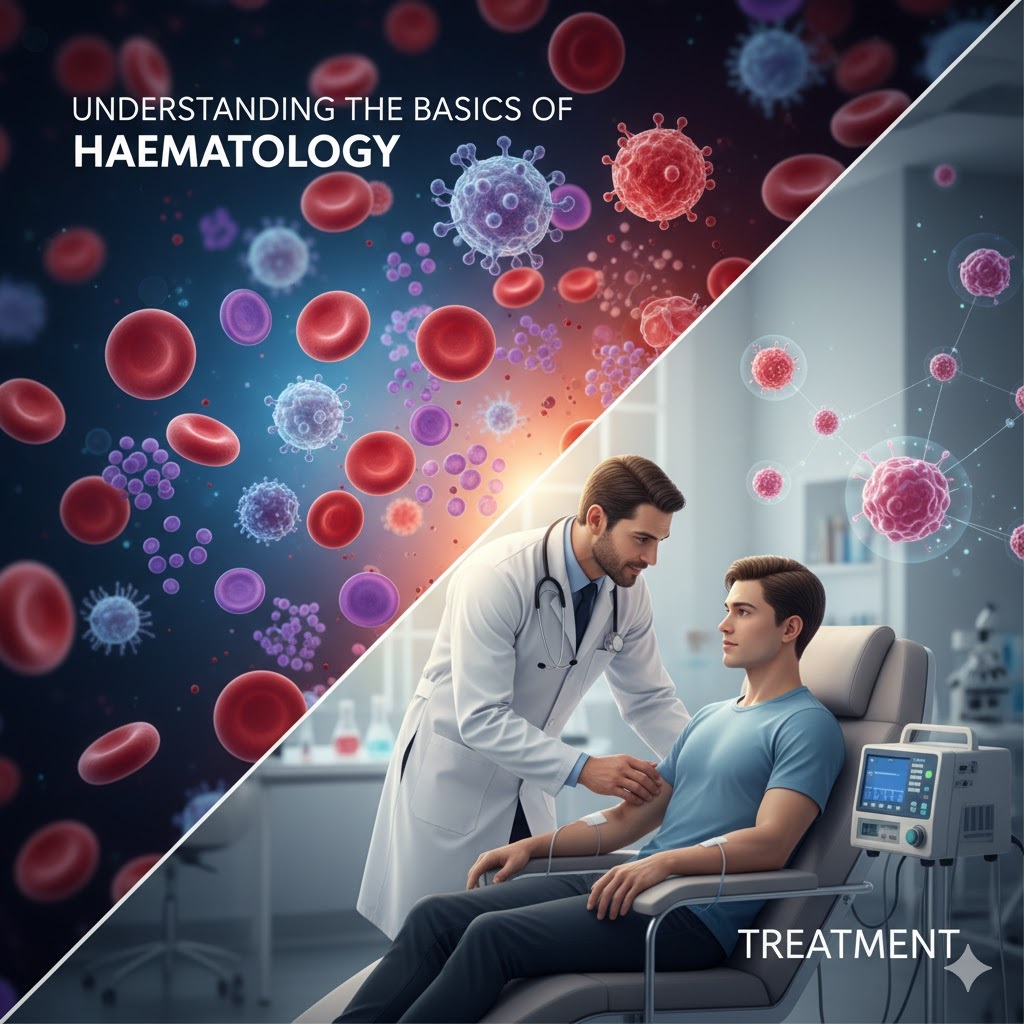
Haematology, often spelled as hematology in the U.S., is a pivotal branch of medicine focusing on the study of blood, blood-forming organs, and blood diseases. It plays an essential role in diagnosing and treating a wide range of blood disorders and cancers, which can affect individuals from infancy through adulthood. This field not only covers the intricacies of blood and its components but also delves into the complex interactions and pathologies that can arise within the hematologic system. In this article, we will explore the foundational aspects of haematology, its critical significance in healthcare, and the various treatments available for hematologic conditions, aiming to provide a comprehensive overview for those interested in understanding this vital medical specialty.
Haematology is a medical specialty dedicated to the in-depth study of the blood system’s complex workings. This includes understanding the production of blood, the various components that make up blood, and the intricate functions these components perform. Blood comprises several elements, including red blood cells, white blood cells, platelets, and plasma, each contributing uniquely to the body’s overall health and functionality. The study of these components and their interactions is fundamental to diagnosing and treating blood disorders.
- Red Blood Cells (RBCs): These cells are primarily responsible for transporting oxygen from the lungs to the body’s tissues and facilitating the return of carbon dioxide to the lungs for exhalation. RBCs are crucial for maintaining adequate oxygen levels in the body, and their dysfunction can lead to conditions like anemia, which is characterized by fatigue and weakness.
- White Blood Cells (WBCs): As an integral part of the immune system, WBCs help the body combat infections and play a significant role in the immune response. They are the body’s primary defense against pathogens, and disorders affecting WBCs can lead to increased susceptibility to infections and immune system malfunctions.
- Platelets: These small cell fragments are essential for blood clotting and wound healing processes. They prevent excessive bleeding by forming clots at sites of injury, and their dysfunction can result in bleeding disorders such as hemophilia, where blood does not clot properly.
- Plasma: The liquid portion of blood, plasma is responsible for transporting nutrients, hormones, and waste products throughout the body. It serves as a medium for cellular components and plays a vital role in maintaining homeostasis and facilitating communication between different body systems.
Haematology is crucial because it helps diagnose and manage a wide range of diseases affecting blood production and blood components. These include conditions like anemia, clotting disorders, and cancers such as leukemia and lymphoma, which can have profound impacts on an individual’s health and quality of life. By understanding the underlying mechanisms of these diseases, haematologists can develop targeted treatment plans that address the specific needs of each patient.
- Anemia: Characterized by a deficiency of red blood cells or hemoglobin, anemia leads to symptoms such as fatigue, weakness, and pallor. There are various types of anemia, including iron-deficiency anemia, pernicious anemia, and aplastic anemia, each with distinct causes and treatment approaches.
- Leukemia: A type of cancer that affects white blood cells, leukemia causes these cells to multiply uncontrollably, impairing normal blood cell function. Different forms of leukemia, such as acute lymphoblastic leukemia and chronic myeloid leukemia, require specialized treatment strategies that often involve chemotherapy and targeted therapies.
- Lymphoma: This cancer affects the lymphatic system, which is part of the immune system. Lymphomas are categorized into Hodgkin’s and non-Hodgkin’s lymphomas, each with unique characteristics and treatment protocols, including chemotherapy, radiation therapy, and immunotherapy.
- Hemophilia: A genetic disorder where blood does not clot properly, hemophilia can lead to spontaneous bleeding and severe joint damage. Management involves replacement therapy with clotting factor concentrates and preventive measures to reduce the risk of bleeding episodes.
Hematology oncology is a subspecialty that focuses on blood cancers, encompassing both hematologic and oncologic principles. Hematologist-oncologists are specialists trained to diagnose and treat cancers of the blood and related tissues, such as bone marrow and lymph nodes. This dual focus is essential for providing comprehensive cancer care, addressing both the malignant and hematologic aspects of blood cancers.
- Bone Marrow Biopsy: This procedure involves extracting and examining bone marrow tissue to diagnose blood cancers and other hematologic disorders. It provides crucial information about blood cell production and the presence of abnormal cells, guiding treatment decisions.
- Chemotherapy: The use of drugs to kill cancer cells or stop them from growing is a cornerstone of blood cancer treatment. Chemotherapy protocols are tailored to each type of cancer, balancing efficacy with minimizing side effects.
- Radiation Therapy: Using high-energy rays to destroy cancer cells, radiation therapy is often combined with other treatments to enhance effectiveness. It is particularly useful for localized lymphomas and as a palliative measure for symptom relief.
- Stem Cell Transplant: This procedure replaces damaged bone marrow with healthy stem cells, offering a potential cure for certain blood cancers. Stem cell transplants can be autologous or allogeneic, depending on the source of the stem cells, and require careful patient selection and management.
To diagnose and monitor blood disorders, several tests and procedures are employed in haematology. These diagnostic tools are essential for evaluating blood health, detecting abnormalities, and guiding treatment plans.
A CBC is a common test that measures the levels of different blood cells, including red blood cells, white blood cells, and platelets. It is a fundamental tool in identifying conditions like anemia, infection, and many other disorders. Regular monitoring through CBCs can provide insights into treatment effectiveness and disease progression.
A blood smear involves examining a drop of blood under a microscope to look for abnormalities in blood cells. This test can reveal changes in cell shape, size, and appearance, aiding in the diagnosis of various hematologic conditions, such as sickle cell disease and certain types of anemia.
These tests assess how well and how quickly your blood clots, playing a crucial role in diagnosing bleeding disorders. Coagulation tests, including prothrombin time (PT) and activated partial thromboplastin time (aPTT), help identify clotting deficiencies and guide anticoagulant therapy management.
The treatment for hematologic conditions varies depending on the disorder and its severity. Haematology offers a range of therapeutic interventions, from medications to advanced procedures, each tailored to the specific needs of the patient.
- Iron Supplements: Used to treat iron-deficiency anemia, iron supplements help replenish the body’s iron stores, improving hemoglobin levels and alleviating symptoms. Proper dosing and monitoring are essential to avoid potential side effects, such as gastrointestinal discomfort.
- Anticoagulants: These medications prevent blood clots, reducing the risk of stroke and other complications in conditions like atrial fibrillation and deep vein thrombosis. Anticoagulants require careful management to balance efficacy with bleeding risk.
- Immunosuppressants: These drugs help manage autoimmune blood disorders by dampening the immune response. Conditions like autoimmune hemolytic anemia and immune thrombocytopenia benefit from immunosuppressive therapy, which must be monitored for potential side effects.
A blood transfusion involves transferring blood or blood products into a person’s circulation, often used in cases of severe anemia or blood loss. Transfusions can be life-saving, providing immediate support while underlying causes are addressed. Compatibility testing and monitoring for transfusion reactions are critical components of transfusion safety.
For some blood disorders, lifestyle changes can help manage symptoms and improve overall health. This may include dietary adjustments, such as increasing iron-rich foods for anemia, regular exercise to enhance circulation, and avoiding certain medications or activities that could exacerbate bleeding disorders. Patient education and support are essential in implementing and maintaining these lifestyle modifications.
Haematology is a vital medical field that plays a crucial role in diagnosing and treating blood-related conditions. Understanding the basics of haematology hematology and the treatments available can help individuals manage their health better, empowering them to make informed decisions about their care. If you suspect you have a blood disorder, it’s essential to consult a healthcare professional who can guide you through diagnosis and treatment options, providing personalized care tailored to your specific needs.
By staying informed about hematologic conditions and their treatments, patients can take an active role in their healthcare journey, leading to better outcomes and improved quality of life. Ongoing research and advancements in haematology continue to enhance our understanding of blood diseases, offering hope for more effective treatments and ultimately improving patient care. As the field evolves, collaboration between healthcare providers and patients remains key to successful management and treatment of hematologic conditions.